The Full-stack developer: the web’s versatile expert
In the world of web development, the Full-stack developer plays a central role. They have the unique ability to work on every aspect of a project, from the first line of interface code to the final deployment.
What does “Full-stack” mean?
The term "full-stack" literally means the developer operates across all layers of the application. They connect the user interface, the server, and the database to deliver coherent, integrated solutions.
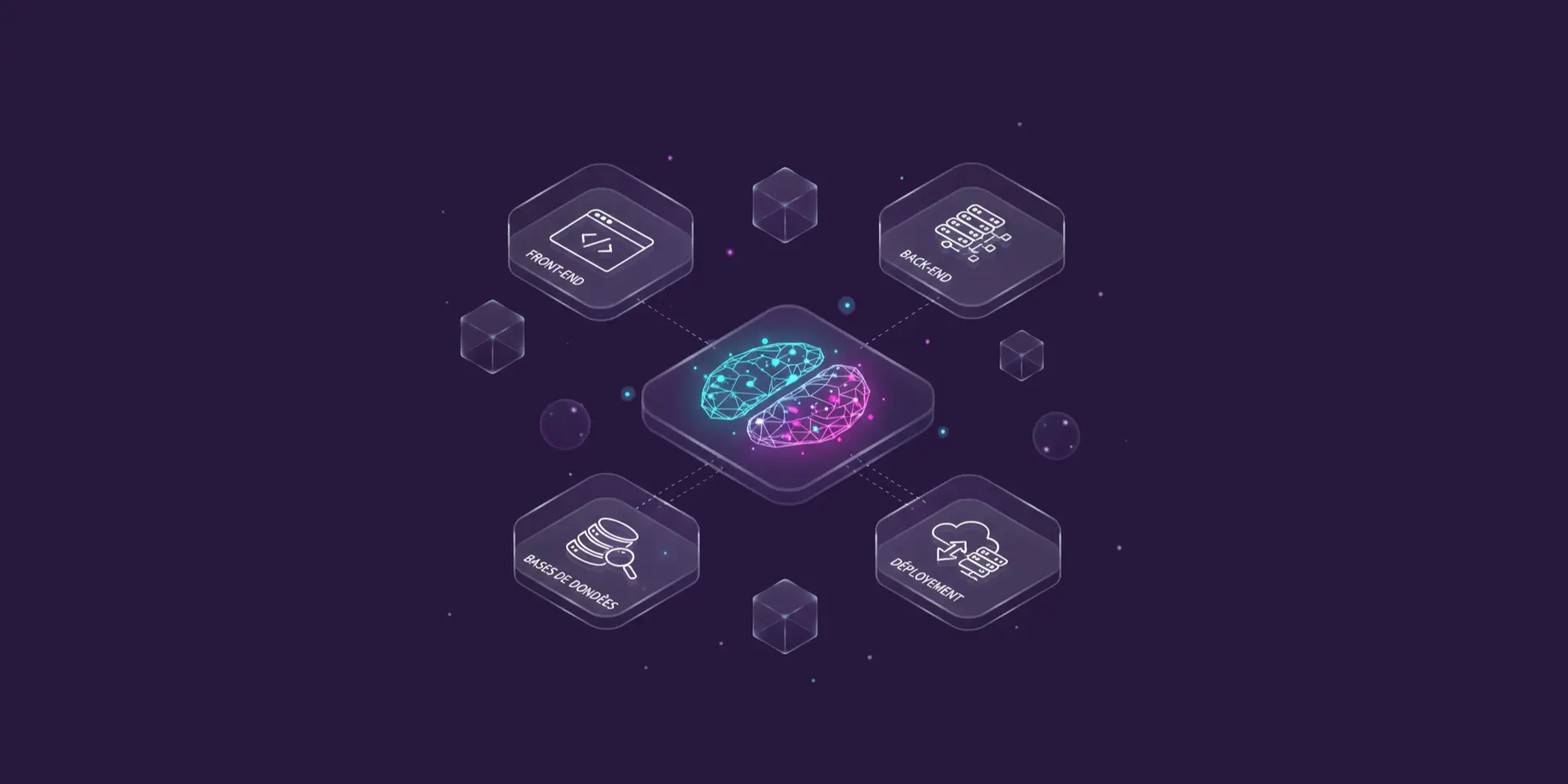
The 4 areas of Full-stack expertise
A Full-stack developer masters four foundational pillars of modern development:
1. Front-end
They design the user interface (UI) to make the application interactive.
- Key technologies: HTML, CSS, and JavaScript.
- Goal: Create dynamic web pages and smooth animations.
2. Back-end
They develop business logic and server-side features.
- Languages used: PHP, Python, Ruby, etc.
- Goal: Build robust APIs and web services.
3. Database management
They can work with relational and non-relational databases.
- Responsibilities: Store, manage, and retrieve data efficiently.
4. Deployment and infrastructure
They handle putting the application online on servers or cloud services.
- Tools: Container platforms and hosting infrastructure configuration.
Why hire a Full-stack profile?
The key strength of the Full-stack developer lies in their end-to-end view of the development process. This versatility enables them to:
- Understand the overall software architecture.
- Propose technical solutions that are fully integrated between front and back.
- Adapt to the specific needs of each stage of the project.
Conclusion
The Full-stack developer is a strategic asset for any company that wants a cross-functional view of its digital tools. Their mastery of application layers makes them a translator capable of turning business needs into complete technical solutions.
Starting a new web project? Choosing a Full-stack profile can be decisive to ensure technical consistency and development efficiency.
Topics
- full-stack developer
- web development
- front-end
- back-end
- database
- deployment
- software engineering