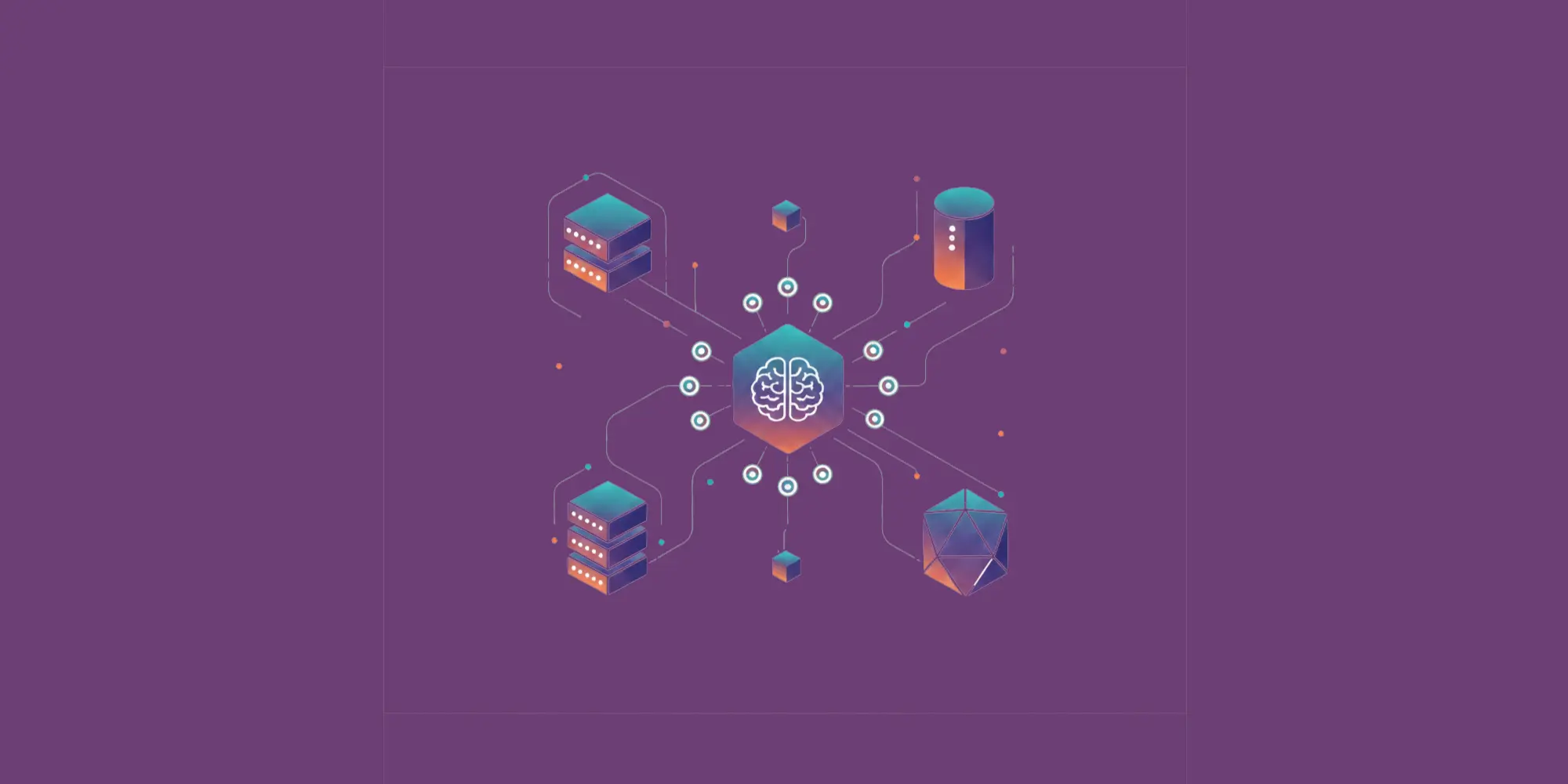
Distributed systems: explained simply
Distributed systems are everywhere today: Netflix, Amazon, Google... But what exactly is a distributed system, and why does it matter for your business?
What is a distributed system?
A distributed system is a set of multiple computers (servers) that work together to accomplish a task, as if they formed a single system.
A simple analogy
Imagine a library:
- Centralized system: One large library with all the books
- Distributed system: Several libraries in different cities, but you can borrow a book from any of them
Why use distributed systems?
1. Scalability
When your application grows, you can add servers instead of replacing your single server with a bigger (and more expensive) one.
2. Availability
If one server goes down, the others keep running. Your application remains available.
3. Performance
By spreading the load across multiple servers, you can handle more concurrent users.
4. Geolocation
You can place servers close to your users to reduce latency.
The challenges of distributed systems
Data consistency
When multiple servers access the same data, how do you ensure they’re all up to date?
Solution: Synchronization and replication mechanisms.
Communication between services
Services must communicate reliably, even when the network is unstable.
Solution: Robust protocols and retry mechanisms.
Fault tolerance
A server can fail at any time.
Solution: Redundancy mechanisms and automatic failover.
Microservices architecture
Microservices are a modern approach to distributed systems:
- Each service has a specific responsibility
- Services communicate via APIs
- Each service can be developed and deployed independently
Benefits
- Agility: Autonomous teams per service
- Scalability: Independent scaling per service
- Technology: Each service can use the most suitable technology
Drawbacks
- Complexity: More services = more operational complexity
- Technical challenges: Consistency, monitoring, debugging
When do you need a distributed system?
You don’t always need a distributed system. Here’s when it makes sense:
- ✅ You have millions of users
- ✅ You need high availability (99.9%+)
- ✅ Your application must scale quickly
- ✅ You have significant traffic spikes
Conclusion
Distributed systems are powerful but complex. They require architectural expertise to be designed and maintained well. For growing companies, they’re often a necessary investment to support business evolution.
Topics
- distributed systems
- microservices architecture
- scalability
- availability
- performance